Skip to main content

Why Texas Families Often File Both a Survival and Wrongful Death Claim

Two Legal Claims, One Devastating Loss: How Texas Handles Fatal Accident Cases
Key Takeaways: Texas law generally treats a fatal accident as two separate harms, giving families two legal tools: a survival action under Tex. Civ. Prac. & Rem. Code § 71.021 and a wrongful death claim under §§ 71.001-71.011. Families often file both because each compensates a different loss and party: the survival claim covers the decedent’s own pre-death pain, medical bills, lost earnings, and funeral expenses through the estate, while the wrongful death claim covers the surviving spouse’s, children’s, and parents’ loss of companionship, mental anguish, and future support. Filing only one may leave a category of loss unaddressed, so attorneys commonly plead both in a single petition before one judge, jury, and discovery schedule. Standing is narrow: siblings and grandparents are generally not eligible wrongful death beneficiaries, and the survival claim is generally brought by an estate representative, though limited exceptions exist. A two-year limitations period commonly applies from the date of death, with narrow exceptions and separate, shorter notice deadlines for governmental claims. Whether both claims apply, and their value, depends entirely on the facts, including whether the decedent survived any period after the injury.
When a Texas family loses a loved one to negligence, the law generally recognizes two separate harms: the suffering the person endured before death, and the loss the family carries afterward. That’s why many Texas families file both a survival action and a wrongful death claim in the same lawsuit. The survival claim generally belongs to the decedent’s estate and seeks damages the decedent personally suffered, pre-death pain and suffering, medical bills, lost earnings, and funeral expenses. The wrongful death claim generally belongs to the surviving spouse, children, and parents, compensating their own losses, including lost companionship and mental anguish.
If you’re trying to understand whether your family has one claim or two, Hendler Flores Law can walk you through the options in a free, confidential consultation available in English and Spanish. Call 800-443-6353 or reach out to our team today. Your story matters. Let us help you tell it.
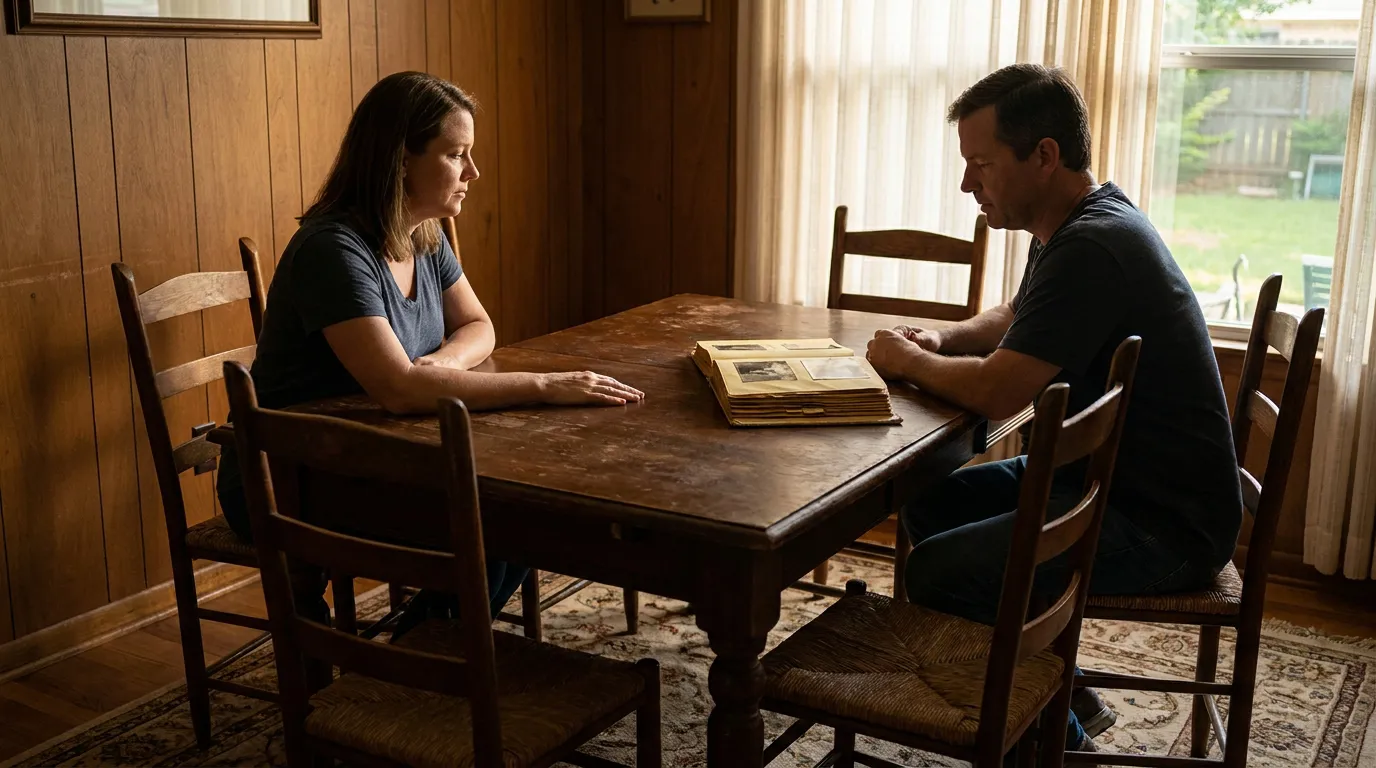
Understanding Survival Action vs Wrongful Death Texas Law Recognizes
Texas statutory law treats these as two distinct causes of action. The Texas Survival Statute, § 71.021, provides that a personal injury cause of action does not abate at death and survives in favor of the heirs, legal representatives, and estate. The Texas Wrongful Death Act, §§ 71.001-71.011, creates an independent right of recovery for certain surviving family members. Because they serve different purposes and compensate different parties, they can generally proceed together.
The statutory text reflects this distinction. For the forum non conveniens provision, Chapter 71 defines a "derivative claimant" under § 71.051(h)(1) as a person whose damages were caused by personal injury to or the wrongful death of another, while § 71.051(h)(2) defines a "plaintiff" as a party seeking recovery of damages for personal injury or wrongful death. Texas law also lists both categories separately elsewhere, such as the carve-out in § 27.010(a)(3) for actions seeking recovery for bodily injury, wrongful death, or survival.
This split matters practically. A family that pursues only one claim may leave a category of compensable loss unaddressed. Whether both claims apply depends on the specific facts, including how the death occurred and whether the decedent survived any period after the injury.
What the Wrongful Death Act Actually Requires
Texas’s Wrongful Death Act may permit recovery when a death results from another’s wrongful conduct. Under § 71.002(b), a person may be liable for an injury causing death if caused by that person’s or their agent’s wrongful act, neglect, carelessness, unskillfulness, or default. This can cover trucking collisions, defective products and dangerous drugs, construction-site fatalities, toxic exposure deaths, and fires or explosions. Liability still must be proven; the statute creates the cause of action, not an automatic recovery, and defenses such as comparative responsibility, damage caps, and workers’ compensation exclusivity may limit or bar recovery.
Who Has Standing to Sue
Standing under the Wrongful Death Act is narrow and statutory. Section 71.004(a) provides that such an action is for the exclusive benefit of the surviving spouse, children, and parents, which courts have read to include legally adopted children and adoptive parents. Siblings, grandparents, and other relatives are generally not eligible beneficiaries, which surprises many grieving families. The survival action, by contrast, is typically brought by the personal representative of the estate.
There is meaningful overlap between the two roles. If eligible beneficiaries don’t file within three months of death, § 71.004(c) allows the personal representative to bring the wrongful death action, unless all beneficiaries request otherwise. In practice, the same person administering the estate may end up carrying both claims. Review the full Texas wrongful death statute for complete text.
💡 Pro Tip: If no estate has been opened, ask an attorney early whether probate administration is needed. Delays in appointing a representative can complicate a survival claim.
Comparing Estate and Family Claims in Texas Death Cases
A side-by-side view often makes the two claims easier to understand, though application always depends on case-specific facts.
| Feature | Survival Action | Wrongful Death Claim |
|---|---|---|
| Whose loss is compensated | The decedent’s own losses | The surviving family’s own losses |
| Who brings the claim | Personal representative of the estate, or heirs in limited circumstances | Surviving spouse, children, parents (or the representative under § 71.004(c)) |
| Governing statute | § 71.021 | §§ 71.001-71.011 |
| Typical damages | Pre-death pain and suffering, medical expenses, lost earnings before death, funeral expenses | Loss of companionship, mental anguish, lost future support, loss of inheritance |
| Where recovery goes | Generally into the estate | Generally to statutory beneficiaries, in shares set by the factfinder |
The damages categories rarely overlap. Survival damages address what happened to the person who died; wrongful death damages address what happened to those left behind. Courts evaluate each set on its own record, and exemplary damages may be available in either claim only where the statutory standard is met.
Why File Both Claims Instead of Choosing One
Filing both may present a more complete picture of what a preventable death cost. Consider a fatal trucking collision where the victim survived several days in intensive care: the survival claim might address that period of conscious pain, medical bills, and lost wages, while the wrongful death claim addresses the spouse’s loss of companionship and the children’s loss of guidance and support.
Pursuing dual claims may also strengthen how the full harm is documented. Medical records, billing statements, employment history, and family testimony serve different evidentiary functions across the two claims. Building both records simultaneously can be more efficient than adding a claim later. That said, no combination of claims guarantees any outcome.
Not every case supports both claims equally. Where death was instantaneous, survival damages for pre-death pain and suffering generally require evidence of conscious pain and may be unavailable. An attorney reviewing the medical timeline can help assess which components of a Texas death lawsuit strategy may apply to your circumstances.
Common Challenges Families Encounter
- Identifying the correct plaintiffs. Blended families and estranged relatives can raise standing questions.
- Coordinating probate with civil litigation. The survival claim requires an estate representative, a separate court process from the injury suit.
- Allocating any recovery. Survival proceeds flow into the estate and may face creditor claims, while wrongful death proceeds go to beneficiaries and are typically not subject to the decedent’s creditors.
- Preserving evidence quickly. Vehicles get repaired, scenes get cleared, and witnesses move. Early preservation letters can matter.
Deadlines That Run From the Date of Death
Texas generally applies a two-year limitations period, with the clock tied to the date of death in many circumstances. Section 16.003(b) requires suit within two years after the cause of action accrues for injury resulting in death, and the cause of action accrues on the death of the injured person. Different rules can apply in specific contexts; for exposure-related injuries, § 16.0031(a) sets accrual on the earlier of specified dates, including death, and health care liability claims follow their own statute.
Exceptions exist but are generally interpreted narrowly. The discovery rule, tolling for minors, and other doctrines may apply in limited circumstances and shouldn’t be assumed automatic. Claims against governmental units generally involve separate, shorter administrative notice requirements distinct from the civil statute of limitations. Because accrual analysis is fact-intensive, families shouldn’t rely on general rules when a deadline is at stake. See our wrongful death legal insights for more guidance.
💡 Pro Tip: Write down a timeline of events while memories are fresh, including dates of injury, hospitalization, and death. That chronology often becomes central to the limitations analysis.
How Texas Practitioners Approach Dual Filings
Because the causes of action serve different purposes, Texas attorneys commonly plead them together in a single petition, keeping the case before one judge, jury, and discovery schedule, and reducing the risk that a later-filed claim runs into a limitations defense. Scholarly analysis, including work published in the St. Mary’s Law Journal, reinforces that the claims are distinct in theory and function.
At Hendler Flores Law, every client has access to Scott Hendler, our CEO and Managing Partner. Our team has extensive experience handling complex wrongful death matters involving technical medical and engineering issues, from mass torts to catastrophic collisions. We offer free consultations in English and Spanish, and we are prepared to litigate when a fair resolution is not offered.
Bringing Both Claims Together for Your Family
Texas law recognizes that a wrongful death may cause two separate categories of harm, and it may provide two legal tools to address them. The survival action speaks for the person who died; the wrongful death claim speaks for the family who survived. Filing both in one lawsuit is often the most complete way to account for everything a preventable death took from a family, though whether both apply, and their value, depends entirely on the facts of your case.
Frequently Asked Questions
1. Can my family really file two claims for one death in Texas?
In many cases, yes. Texas law generally permits both a survival claim and a wrongful death claim to arise from the same death, since they compensate different losses and are brought by different parties. They’re typically combined into a single lawsuit.
2. Who receives the money from each claim?
Survival recovery generally becomes an estate asset, distributed per the will or intestacy law, potentially subject to creditors. Wrongful death recovery generally goes to the statutory beneficiaries under § 71.004(a), in shares determined by the factfinder.
3. What if my loved one died instantly?
A survival claim may still exist for funeral and medical expenses, but damages for conscious pain and suffering generally require evidence of consciousness and could be unavailable absent a survival period. The wrongful death claim generally does not depend on how long the decedent survived.
4. Can a sibling or grandparent file a wrongful death claim in Texas?
Generally, no. The statute limits beneficiaries to the surviving spouse, children, and parents, including recognized adoptive relationships. Other relatives may have roles in the estate proceeding, a separate question from wrongful death standing.
5. How long do we have to file?
A two-year limitations period commonly applies, often running from the date of death. Exceptions are narrowly construed, and claims involving governmental entities often carry separate notice deadlines, so prompt legal review is important.
Losing someone to another party’s negligence leaves families with grief first and legal questions second. Understanding the difference between survival action vs wrongful death Texas claims can help you make informed decisions about protecting both the estate’s rights and your family’s own recovery. No article can substitute for a review of your specific facts by an attorney who has handled cases like yours.
If your family is facing this situation, the team at Hendler Flores Law is ready to listen. Call 800-443-6353 or schedule your free consultation to talk with us about what happened and what options may be available. Let us help you tell your story.
Disclaimer: This content is for informational purposes only and is not legal advice. Every case is unique, and results may vary. Consult an attorney about your specific circumstances.