Skip to main content

What Is a Life Care Plan in a Texas Traumatic Brain Injury Claim?

Mapping a Lifetime of Care After a Brain Injury in Texas
Key Takeaways: A life care plan is a professionally prepared document projecting the future medical, therapeutic, equipment, and support needs of a traumatic brain injury survivor, along with the lifetime cost of each item. In a Texas TBI claim, it often forms the backbone of future damages, countering insurers who anchor offers only to bills already incurred. Texas insurance law reinforces the categories involved, generally requiring covered health benefit plans to include cognitive, neurobehavioral, and post-acute rehabilitation services and limiting arbitrary day caps on medically necessary care, though those mandates govern insurance coverage rather than what a tort defendant owes. Rehabilitation professionals build the projection from treating records and physician input, and a forensic economist may reduce the future care stream to present value. Statutory rules, including the limit on past medical expenses actually paid or incurred and the Texas Tort Claims Act caps on governmental defendants, can affect what is ultimately recoverable. Because settlements are generally final, understanding long-term prognosis and future care costs before accepting an offer is critical.
A life care plan is a detailed, professionally prepared document projecting the future medical, therapeutic, equipment, and support needs of someone living with a catastrophic injury, along with the cost of each item over their expected lifetime. In a Texas traumatic brain injury claim, it often becomes central to the future damages calculation. When a brain injury changes what a person can do for the rest of their life, a life care plan translates that reality into evidence a jury or insurer can evaluate.
If you are trying to understand what your family’s future will cost after a brain injury, Hendler Flores Law can help you take the next step. Every client has access to Scott Hendler, CEO and Managing Partner, and consultations are free and available in English and Spanish. Call 800-443-6353 or reach out to our team today. Your story matters. Let us help you tell it.
Why a Life Care Plan Matters So Much in Brain Injury Cases
Brain injuries rarely follow a predictable recovery curve, and that’s why a written plan carries weight. Two people with similar imaging results can end up with very different abilities and support needs a decade later. A life care plan pushes everyone to consider the injury’s long arc instead of just the first few months of hospital bills.
The scale of the problem is well documented nationally. Federal surveillance data in the CDC’s traumatic brain injury surveillance report tracks TBI-related emergency visits, hospitalizations, and deaths across the United States. Those who survive a moderate or severe TBI often need care extending far beyond the acute phase.
Insurers frequently anchor settlement discussions to bills already generated. That approach can leave out years of therapy, attendant care, home modification, and medication. A thorough plan gives the injured person something concrete to point to when the numbers on the table don’t match medical reality.
What Texas Law Says About the Care a TBI Survivor May Need
Texas insurance law offers a useful roadmap of the service categories brain injury care typically involves. Under the state’s acquired brain injury coverage statute, Tex. Ins. Code § 1352.003, a health benefit plan subject to the chapter must generally cover cognitive rehabilitation therapy, cognitive communication therapy, neurocognitive therapy and rehabilitation, neurobehavioral, neurophysiological, neuropsychological, and psychophysiological testing and treatment, neurofeedback therapy, and remediation related to an acquired brain injury. Chapter 1352 applies only to listed plan types and is generally preempted for self-funded ERISA plans, so coverage must be confirmed under any particular policy. Even so, these categories closely mirror what a life care planner itemizes.
The same chapter reaches beyond hospital-based treatment, generally requiring covered plans to include post-acute transition and community reintegration services, including outpatient day treatment necessary as a result of an acquired brain injury, subject to medical necessity terms. Community reintegration, supported living, and vocational support are often the longest-running line items in a plan.
Texas law also limits arbitrary day caps on this care. Tex. Ins. Code § 1352.003(c-1) provides that a health benefit plan may not limit the number of days of covered post-acute or inpatient care when treatment is medically necessary as a result of an acquired brain injury. That limit constrains insurers rather than tort defendants, but it reinforces why a plan should project genuine long-term need rather than assume care stops at an arbitrary cutoff.
Common Categories in a TBI Life Care Plan
- Physician follow-up, neurology, and neuropsychology visits
- Cognitive, speech, occupational, and physical therapy over time
- Attendant or supervisory care, including family caregiver replacement costs
- Durable medical equipment, assistive technology, and periodic replacement
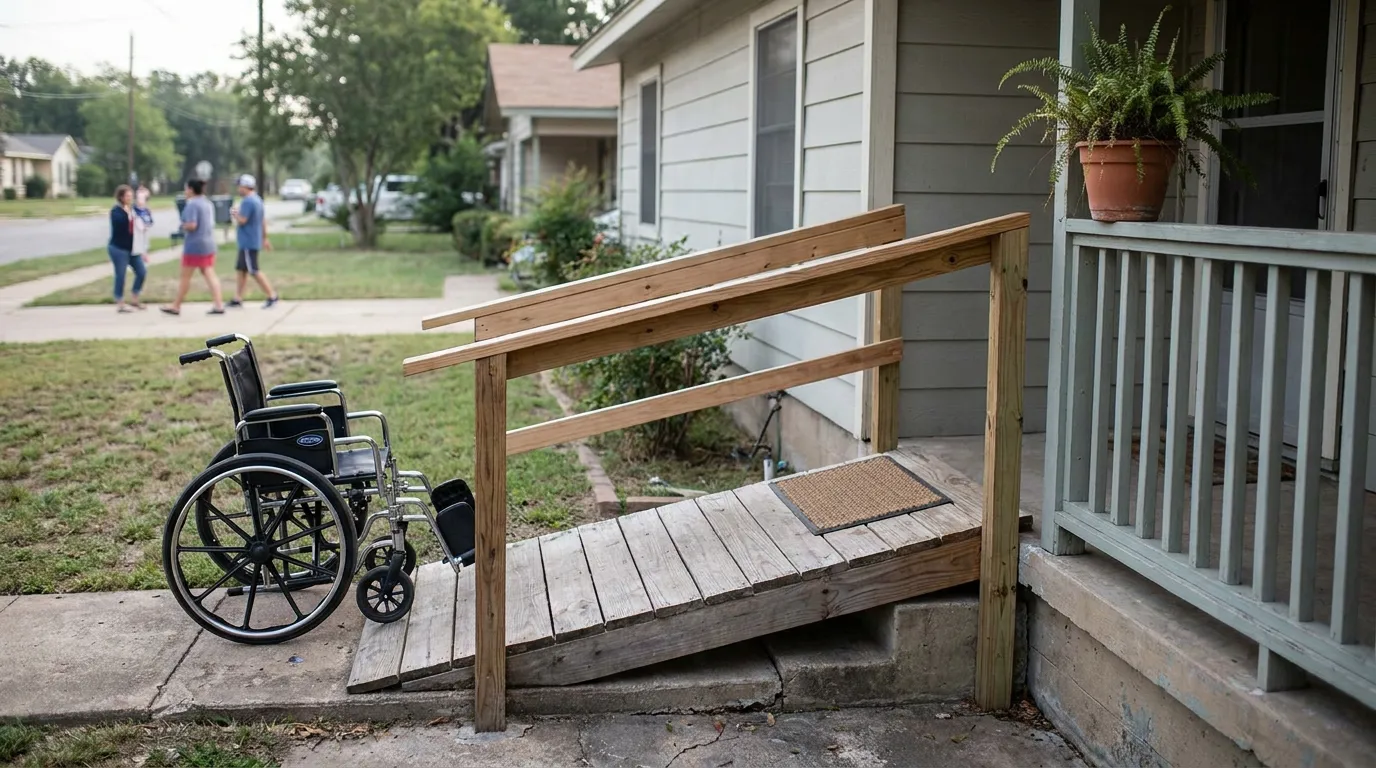
- Home and vehicle modifications for safety and accessibility
- Medications, diagnostics, and management of complications
- Case management and community reintegration or vocational services
How a Life Care Planner Builds the Projection
A life care planner is typically a rehabilitation professional, often a nurse or counselor with relevant certification, who works from treating records rather than assumptions. Texas does not license or require any particular credential for this work, so qualifications are tested through the rules of evidence. The process generally begins with a review of medical records, interviews with the injured person and family, and consultation with treating physicians about needed future care. The planner then attaches current regional costs to each recommendation and identifies frequency, duration, and replacement intervals.
Economists commonly take the next step, reducing the projected stream of future care costs to present value and accounting for medical inflation and life expectancy. In practice, the life care plan supplies the "what" and "how often," while the economist supplies the dollar figure a jury sees.
Courts generally expect this testimony to be grounded in treating medical evidence. Texas requires future medical expenses to be supported by evidence establishing reasonable probability; a recommendation unsupported by a physician or the records may be challenged or excluded, though outcomes are fact-dependent. That is one reason consistent medical follow-up matters so much during a pending claim.
\u{1F4A1} Pro Tip: Keep a simple daily log of symptoms, missed activities, supervision needs, and caregiving hours. Life care planners often rely heavily on this kind of real-world detail, and memory fades long before a case resolves.
Presenting the Life Care Plan Traumatic Brain Injury Damages Claim in Court
Texas places specific rules around how medical damages are proven, and those rules shape the plan’s presentation. Under Tex. Civ. Prac. & Rem. Code § 41.0105, recovery of medical expenses incurred is generally limited to the amount actually paid or incurred by or on behalf of the claimant, which Texas courts have read to exclude charges a provider has adjusted off. That statute governs expenses already incurred rather than future care, so counsel must distinguish billed charges from amounts actually paid when assembling the past-damages portion of the case.
Texas also has procedural rules aimed squarely at catastrophically injured claimants. Tex. Civ. Prac. & Rem. Code Chapter 139, governing structured settlement offers, applies only to a suit for personal injury to an incapacitated person, or where the injury has resulted in substantial disablement. That scope may describe many severe TBI survivors, and it’s a reminder that the procedural landscape here can differ from an ordinary injury case.
Structured settlements often become part of the conversation once a plan is complete. Tex. Civ. Prac. & Rem. Code § 141.002, part of the Structured Settlement Protection Act, defines a structured settlement as an arrangement for periodic payment of damages for personal injuries established by settlement or judgment resolving a tort claim, or periodic payments settling a workers’ compensation claim; that chapter also regulates later transfers of those payment rights, which generally require court approval. Periodic payments can align incoming funds with the decades of care a plan describes, though fit depends on individual circumstances.
When the Defendant Is a Government Entity
Suing a city, county, public hospital district, or state agency can change the math considerably. The Texas Tort Claims Act at Tex. Civ. Prac. & Rem. Code § 101.023 caps damages recoverable against governmental units, setting different limits for the state than for municipalities, with lower ceilings generally applying to counties and other non-municipal local units. A carefully prepared plan may project costs that exceed those statutory limits.
That gap is not a reason to skip the planning work. Identifying additional responsible parties, such as a contractor, manufacturer, or private employer, can matter enormously when one defendant’s exposure is capped. Whether immunity is waived at all, and as to which entity and claim type, is a threshold question that depends heavily on the facts.
| Consideration | Private Defendant | Governmental Unit |
|---|---|---|
| Damages ceiling | No TTCA cap applies | Statutory caps under § 101.023 |
| Notice requirements | General civil rules | Separate statutory notice obligations may apply |
| Effect on life care plan | Plan may drive full valuation | Plan may exceed recoverable amount |
Notice obligations owed to a governmental unit under the TTCA, generally within six months unless a shorter local charter or ordinance deadline applies, are separate from the civil statute of limitations, and courts generally construe exceptions such as tolling or the discovery rule narrowly. Those deadlines should never be assumed to extend automatically. Our catastrophic injury planning resources address related timing questions in more depth.
Settling Too Early: The Risk Families Should Understand
Settlements are generally final, which can make premature resolution one of the most consequential mistakes in a brain injury case. The Brain Injury Association of America’s guidance on accepting a TBI settlement cautions survivors not to settle until they understand their prognosis and future needs, because a resolved claim generally cannot be reopened when new medical needs emerge. For a TBI survivor, some deficits may only become apparent after returning to work, school, or independent living.
BIAUSA also recommends working with knowledgeable medical and legal professionals before accepting an offer. That advice lines up directly with the function of a life care planner, whose role is to quantify TBI future medical needs before negotiations begin rather than after. An offer evaluated without that information is an offer evaluated in the dark.
Practical Steps While Your Claim Is Pending
Protect the evidence that may support your future care costs in Texas. Attend recommended appointments, follow through on referrals, and ask providers to document functional limitations, not just diagnoses. Gaps in treatment are often used to argue that the injury resolved.
Preserve the household’s story as well as the medical file. Statements from family, coworkers, and teachers often capture cognitive and behavioral changes that imaging does not show. Attorneys with experience handling life care plan traumatic brain injury damages lawyer matters generally begin assembling this material early.
Frequently Asked Questions
1. Who prepares a life care plan in a Texas TBI claim?
Life care plans are generally prepared by rehabilitation professionals, frequently registered nurses or rehabilitation counselors, often holding a voluntary certification and working with treating physicians. Texas does not require a specific credential to offer such an opinion in litigation, and qualifications are tested through the rules of evidence.
2. Does a life care plan guarantee the amount I recover?
No. A plan is evidence, and the opposing party may retain its own professional to dispute the recommendations or costs. Recoverable amounts depend on liability, available insurance, applicable statutory limits, and the specific facts of each case.
3. What if my future care costs exceed the defendant’s insurance?
Counsel may investigate additional liable parties, umbrella policies, or other coverage layers. When a governmental unit is involved, the caps in Tex. Civ. Prac. & Rem. Code § 101.023 may limit recovery from that defendant regardless of the plan’s total.
4. Can a life care plan be updated before trial?
In many cases, yes. Planners commonly revise projections as the medical picture develops, subject to the court’s scheduling orders and discovery deadlines.
5. Should I accept an early offer if my TBI seems mild?
That decision should generally follow, not precede, a clear understanding of your prognosis. Because settlements are generally final, accepting before long-term needs are known may leave later costs unrecovered.
Planning for a Future That Deserves to Be Counted
A life care plan gives structure to something families often struggle to articulate: what the next thirty or forty years may actually require after a brain injury. Texas law recognizes the categories of care involved, limits arbitrary restrictions on medically necessary brain injury treatment under covered health plans, and provides mechanisms like structured settlements that may help fund long-term needs, while also imposing meaningful limits on how medical damages are proven and what may be recovered from governmental defendants. Outcomes always depend on the particular facts, the available evidence, and the applicable law.
If a brain injury has changed your family’s future, Hendler Flores Law is ready to listen. Free, bilingual consultations are available, and every client works with a team led by Scott Hendler. Call 800-443-6353 or schedule your free consultation to get started. Let us help you tell your story.
Disclaimer: This content is for informational purposes only and is not legal advice. Every case is unique, and results may vary. Consult an attorney about your specific circumstances.