Skip to main content

What Is the Wrongful Death Statute of Limitations in Texas?

Time Matters After a Loss: Understanding Texas Filing Deadlines
Key Takeaways: In Texas, families generally have two years from the date of death to file a wrongful death lawsuit under Tex. Civ. Prac. & Rem. Code § 16.003(b), and that date may be later than the date of the accident. Some claims follow different rules. Medical malpractice deaths generally fall under Chapter 74, where the two years usually runs from the date of treatment or breach. For asbestos or silica deaths, the clock starts on the earlier of the date of death or service of a qualifying medical report. Deaths linked to certain criminal offenses can have longer deadlines: five years for listed adult sexual assault and trafficking offenses, and 30 years for listed child-related offenses. Claims against a Texas governmental unit usually require formal notice within six months of the incident, separate from the two-year lawsuit deadline. A contract generally cannot shorten the time to sue on that contract to less than two years. Insurance settlement talks generally do not pause the statute of limitations. Acting early may help protect both your filing deadline and the evidence your family’s claim may need.
Under Texas law, families generally have two years from the date of death to file a wrongful death lawsuit. That deadline is set by Tex. Civ. Prac. & Rem. Code § 16.003(b). It generally counts from the day the person died, which may be later than the date of the accident. The wrongful death Texas statute of limitations also has exceptions. Some cases involving medical malpractice, certain crimes, asbestos, or silica exposure follow different rules, and claims against a government entity carry their own notice deadline.
If you lost a loved one because of someone else’s negligence, you do not have to work through these deadlines alone. At Hendler Flores Law, every client has access to Scott Hendler, our CEO and Managing Partner. We offer free consultations in English and Spanish. Call 800-443-6353 or contact us now. Your story matters. Let us help you tell it.
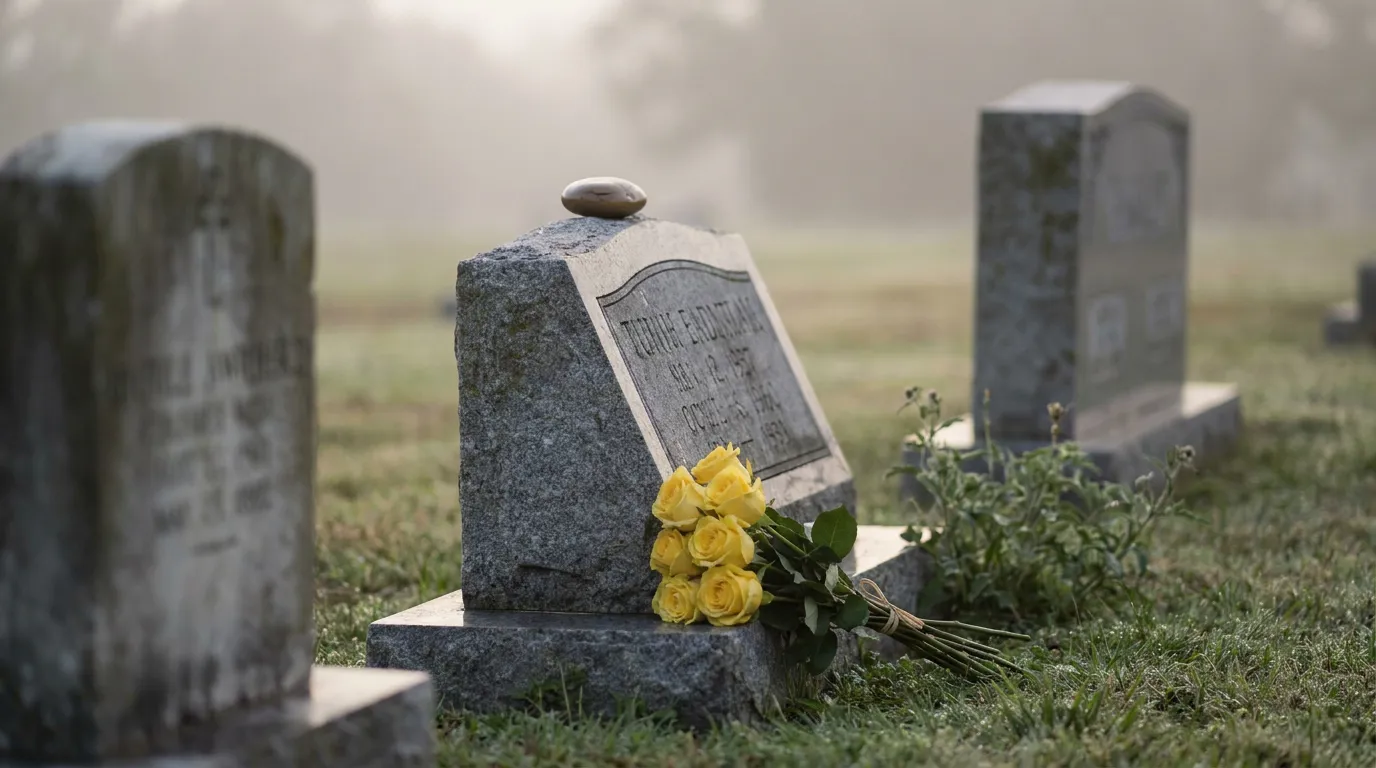
The Wrongful Death Texas Statute of Limitations Explained
The general rule comes from the Texas Civil Practice and Remedies Code. Section 16.003(b) provides that a person must bring suit no later than two years after the cause of action accrues in an action for injury resulting in death. The cause of action accrues on the death of the injured person. You can read the text of Section 16.003 for the exact wording.
This deadline works differently from many personal injury claims. Suppose your loved one was hurt in a trucking collision in March and died from those injuries in August. In most cases, the two-year clock would begin in August, not March. Health care liability claims are an important exception: under Tex. Civ. Prac. & Rem. Code § 74.251, the period generally runs from the date of the medical breach or treatment, not the date of death.
Who Counts as a Claimant
Texas law uses the term "derivative claimant" for people whose damages come from someone else’s injury or death. Tex. Civ. Prac. & Rem. Code § 71.051(h)(1) defines a derivative claimant as a person whose damages were caused by personal injury to or the wrongful death of another. Who may bring a wrongful death action is controlled by Tex. Civ. Prac. & Rem. Code § 71.004. The action is for the exclusive benefit of the surviving spouse, children, and parents of the person who died. If none of them file within three months after the death, the executor or administrator must bring the action unless all of those family members ask that it not be brought.
Wrongful death claims generally fall under Chapter 71 of the Texas Civil Practice and Remedies Code. If you are unsure whether your family’s situation supports a claim, our guide on whether you have a wrongful death case walks through the basics.
Exceptions That Can Change Your Wrongful Death Lawsuit Timeline
Section 16.003 is not the only rule that can apply. Tex. Civ. Prac. & Rem. Code § 16.003(a) sets the general two-year limit "except as provided by Sections 16.010, 16.0031, and 16.0045." Other statutes, such as Chapter 74, can also change when the clock starts. Courts generally interpret exceptions narrowly, so families should not assume one applies without a careful legal review.
Asbestos and Silica Deaths
Deaths from asbestos-related or silica-related disease have a special accrual rule. Under Tex. Civ. Prac. & Rem. Code § 16.0031, a death claim accrues on the earlier of two dates: the exposed person’s death, or the date the claimant serves a defendant with a medical report that complies with Tex. Civ. Prac. & Rem. Code §§ 90.003, 90.004, or 90.010(f). Families dealing with mesothelioma or another occupational disease should know the clock could start before death.
Deaths Linked to Certain Criminal Conduct
Some injuries caused by serious criminal offenses have much longer deadlines. Tex. Civ. Prac. & Rem. Code § 16.0045(a) allows 30 years for personal injury claims arising from conduct that violates certain Penal Code sections. These include child sexual assault, aggravated sexual assault of a child, continuous sexual abuse, certain trafficking offenses, compelling prostitution of a child, and indecency with a child. Section 16.0045(b) provides a five-year period for adult sexual assault, aggravated sexual assault, human trafficking, and compelling prostitution. Under § 16.0045(c), if the injury results in death, the claim accrues on the date of death.
In these offense-based cases, families may be able to file even if they do not know who is responsible. Under Tex. Civ. Prac. & Rem. Code § 16.0045(d), filing a petition that names an unknown defendant as "John or Jane Doe" tolls limitations. The family must use due diligence to identify the defendant. The petition must be amended within 30 days after identification, and limitations begins running again on the date of the amendment.
| Type of Claim | Deadline | When the Clock Generally Starts |
|---|---|---|
| Most wrongful death claims (§ 16.003) | 2 years | Date of death |
| Asbestos or silica deaths (§ 16.0031) | 2 years | Earlier of death or service of a qualifying report |
| Death from adult sexual assault or trafficking offenses (§ 16.0045(b)) | 5 years | Date of death |
| Death from listed child-related offenses (§ 16.0045(a)) | 30 years | Date of death |
When the Government Is Involved
Claims against a Texas governmental unit follow additional rules. The Texas Tort Claims Act, found in Chapter 101 of the Texas Civil Practice and Remedies Code, waives sovereign immunity for certain claims. Tex. Civ. Prac. & Rem. Code § 101.021 allows governmental liability for death in limited circumstances, such as an employee’s negligent use of a motor vehicle or certain conditions or uses of property. The Act also caps damages.
These claims generally require formal notice within six months of the incident. Tex. Civ. Prac. & Rem. Code § 101.101 sets out this government notice of claim requirement. This notice deadline is separate from the two-year statute of limitations. Cities may set shorter notice rules by charter or ordinance. Formal notice may not be required if the governmental unit had actual notice of the death. Even so, missing the notice requirement could seriously harm a claim.
💡 Pro Tip: If a city bus, county truck, public hospital, or state employee may have been involved in your loved one’s death, ask a lawyer about notice requirements right away. The six-month window can close faster than families expect.
Can a Contract Shorten the Time Limit to Sue in Texas?
In general, a contract cannot shorten the time to sue on that contract to less than two years. Tex. Civ. Prac. & Rem. Code § 16.070(a)-(b) makes such a shorter limitations agreement void in Texas, with a narrow exception for agreements to buy or sell a business entity when the consideration is $500,000 or more. Because § 16.070 addresses suits on the contract itself, its effect on a negligence-based wrongful death claim may be limited. If a company points to a waiver that claims to cut the deadline short or release liability, have a lawyer review it.
Practical Steps to Protect a Fatal Accident Claim
Acting early may help preserve both your deadline and your evidence. Witnesses move, video footage can be erased, and vehicles or products may be repaired or destroyed.
Families may want to take these steps:
- Write down the date of the incident and the date of death
- Keep medical records, death certificates, and funeral bills
- Save photos, police reports, and contact information for witnesses
- Avoid giving recorded statements to an insurance company before getting legal advice
- Note whether any government agency or employee was involved
💡 Pro Tip: Insurance settlement discussions generally do not pause the statute of limitations. A claim could still become time-barred while talks continue, so track the filing deadline independently.
Frequently Asked Questions
-
Does the two-year deadline start on the accident date or the date of death?
Under Tex. Civ. Prac. & Rem. Code § 16.003(b), a wrongful death claim generally accrues on the date of death. Medical malpractice claims generally run from the date of the treatment or breach.
-
What happens if we miss the Texas wrongful death deadline?
If the lawsuit is filed after the limitations period ends, the defendant can raise limitations as a defense, and the claim will likely be barred. Limited exceptions may apply, but courts generally read them narrowly.
-
Is the deadline different for mesothelioma deaths?
It can be. Under Tex. Civ. Prac. & Rem. Code § 16.0031, the clock generally begins on the earlier of the date of death or service of a qualifying medical report.
-
Do government claims have a shorter deadline?
Under Tex. Civ. Prac. & Rem. Code § 101.101, formal notice is generally required within six months of the incident, and some city charters set shorter deadlines. This is separate from the two-year deadline to file a lawsuit.
-
Can a signed waiver cut our time to sue?
Generally, Tex. Civ. Prac. & Rem. Code § 16.070 voids agreements that limit the time to sue on the contract to less than two years, with a narrow business-sale exception. How it applies to a wrongful death claim depends on the claim and the document’s wording.
Protecting Your Family’s Right to Answers
The wrongful death Texas statute of limitations generally gives families two years from the date of death to file suit. Medical malpractice, asbestos and silica cases, certain criminal offenses, and claims against the government can follow different rules. Because every case depends on its own facts, getting guidance early may help keep your family’s options open. Speaking with a Texas wrongful death attorney may help you figure out which deadline applies to you.
Your family deserves answers and accountability. Hendler Flores Law offers free consultations in English and Spanish, and every client has access to Scott Hendler. Call 800-443-6353 or schedule your free consultation today. Let us help you tell your story.
Disclaimer: This content is for informational purposes only and is not legal advice. Every case is unique, and results may vary. Consult an attorney about your specific circumstances.